ASUS ROG Strix X870E-E Gaming WiFi7 Neo AMD ATX Motherboard Listed on Amazon US – AMD X870E, Five M.2 Slots, WiFi 7, Dual USB4 40Gbps

ASUS has listed the ROG Strix X870E-E Gaming WiFi7 Neo on Amazon US. The ATX motherboard is available at $599.99 (Lowest Price on Apr 18, 2026).

Key highlights include the AMD X870E chipset with AM5 socket supporting Ryzen 9000/8000/7000 series, five M.2 slots with PCIe 5.0 support on two CPU-direct slots, WiFi 7 via MediaTek MT7927, dual USB4 40Gbps Type-C rear ports, and 18+2+2 power stages with ROG SupremeFX 7.1 audio.


Pricing & Availability

ASUS ROG Strix X870E-E Gaming WiFi7 Neo$599.99Amazon US↗

ASUS ROG Strix X870E-E Gaming WIFI7 NEO, AMD ATX Motherboard, 18+2+2 Power Stages, DDR5 Slots, Five M.2 Slots, PCIe? 5.0 with Full Support for Next-gen GPUs, WiFi 7, Dual USB4

by ASUS

Sold by Amazon.com
$599.99
  • Ready for Advanced AI PCs: Designed for the future of AI computing, with the power and connectivity needed for demanding AI applications
  • AMD AM5 Socket: Ready for AMD Ryzen 9000, 8000 and 7000 series desktop processors
  • Exclusive AI Technologies: AI Cache Boost, ASUS AI Advisor, ASUS-exclusive AI Overclocking, AI Cooling II, AI Networking II
Price last updated on: Apr 19, 2026 at 12:07 AM EDT (8 hours ago)
As an Amazon Associate, we earn from qualifying purchases.

CPU & Chipset

The ROG Strix X870E-E Gaming WiFi7 Neo uses the AMD AM5 socket paired with the AMD X870E chipset. Compatible processors include:

  • AMD Ryzen 9000 Series desktop processors
  • AMD Ryzen 8000 Series desktop processors
  • AMD Ryzen 7000 Series desktop processors

The board ships with a 64MB (512Mb) Flash ROM UEFI AMI BIOS for broad AM5 CPU compatibility, along with a redesigned BIOS interface.


Memory

  • Slots: 4× DIMM, max. 256GB DDR5
  • Ryzen 9000 Series: Up to 8600+ MT/s (OC) / 8200+ MT/s (EXPO/AEMP)
  • Ryzen 8000 Series: Up to 9600+ MT/s (OC) / 9000+ MT/s (EXPO/AEMP)
  • Ryzen 7000 Series: Up to 8000+ MT/s (OC) / 8000+ MT/s (EXPO/AEMP)
  • Architecture: Dual-channel
  • ECC: Supports ECC and Non-ECC Un-buffered DIMM (Non-ECC DDR5 supports On-Die ECC)
  • Profiles: AMD EXPO, ASUS AEMP (Enhanced Memory Profile)
  • Extras: NitroPath DRAM Technology, DIMM Fit, DIMM Fit Pro

Expansion Slots

With Ryzen 9000 & 7000 Series:

  • 1× PCIe 5.0 x16 slot (x16 mode)

With Ryzen 8700 / 8600 / 8400 Series:

  • 1× PCIe 4.0 x16 slot (x8 mode)

With Ryzen 8500 / 8300 Series:

  • 1× PCIe 4.0 x16 slot (x4 mode)

AMD X870E Chipset:

  • 1× PCIe 4.0 x16 slot (x4 mode)

The PCIe 5.0 x16 slot features SafeSlot reinforcement and Q-Release for tool-free GPU removal.


Storage

All five M.2 slots use Key M type and feature Q-Release, Q-Latch, and Q-Slide for EZ installation.

With Ryzen 9000 & 7000 Series:

  • M.2_1: 2242/2260/2280, PCIe 5.0 x4
  • M.2_2: 2242/2260/2280, PCIe 5.0 x4 (shares bandwidth with rear USB4 Type-C ports — both run at x2 when M.2_2 is occupied; switchable to x4 in BIOS, which disables USB4 ports)

With Ryzen 8700 / 8600 / 8400 Series:

  • M.2_1: 2242/2260/2280, PCIe 4.0 x4
  • M.2_2: 2242/2260/2280, PCIe 4.0 x4

AMD X870E Chipset (all CPU types):

  • M.2_3: 2280, PCIe 4.0 x4 (shares bandwidth with PCIEX16(G4); installing a drive disables that slot)
  • M.2_4: 2280, PCIe 4.0 x4
  • M.2_5: 2280, PCIe 4.0 x4

SATA:

  • 4× SATA 6Gb/s ports

RAID: AMD RAIDXpert2 — RAID 0/1/5/10 (Ryzen 9000/8000/7000 Series)


Networking

  • Ethernet: 1× Realtek 5GbE with ASUS LANGuard
  • WiFi: Wi-Fi 7 (MediaTek MT7927), 2×2, 802.11be, 2.4/5/6 GHz, 320 MHz bandwidth
  • Bluetooth: Bluetooth with LE Audio support (version varies by module revision)
  • Antenna: ASUS WiFi Q-Antenna (included)

USB — Rear Panel (13 ports total)

  • 2× USB4 40Gbps (USB Type-C with DisplayPort Alt mode)
  • 1× USB 10Gbps Type-C (up to 30W PD/PPS Fast-charge)
  • 9× USB 10Gbps Type-A
  • 1× USB 10Gbps Type-C

USB — Front Panel Headers (12 ports total)

  • 2× USB 20Gbps connector (USB Type-C)
  • 2× USB 5Gbps headers (supports 4 additional USB 5Gbps ports)
  • 3× USB 2.0 headers (supports 6 additional USB 2.0 ports)

Audio

The ROG Strix X870E-E Gaming WiFi7 Neo uses the ROG SupremeFX 7.1 Surround Sound codec — Realtek ALC4080 — with the following specs:

  • SNR: 120 dB stereo playback output / 110 dB recording input
  • Playback: Up to 32-bit/384 kHz (front panel)
  • Amplifier: Savitech SV3H712
  • Wireless audio: LHDC codec support — up to 400 kbps, 24-bit/192 kHz (requires LHDC-compatible headset)
  • Output: Gold-plated audio jacks, rear optical S/PDIF out
  • Features: Audio Shielding, premium audio capacitors, audio cover, impedance sense for front and rear headphone outputs, jack-detection, multi-streaming, front panel MIC jack-retasking

Back Panel I/O

  • 2× USB4 40Gbps Type-C (DP Alt mode)
  • 1× USB 10Gbps Type-C (30W PD/PPS Fast-charge)
  • 9× USB 10Gbps Type-A
  • 1× USB 10Gbps Type-C
  • 1× HDMI 2.1 (4K@60Hz)
  • 1× Realtek 5GbE Ethernet
  • 1× Wi-Fi module port (Q-Antenna connector)
  • 2× Audio jacks
  • 1× Optical S/PDIF out
  • 1× BIOS FlashBack button
  • 1× Clear CMOS button

Display output note: USB4 Type-C ports support DisplayPort 1.4a output (max 4K@60Hz). During OS installation, connect monitor to the HDMI port or a discrete GPU.


Internal Connectors

Fan & Cooling:

  • 1× 4-pin CPU Fan header
  • 1× 4-pin CPU OPT Fan header
  • 1× 4-pin AIO Pump header
  • 5× 4-pin Chassis Fan headers
  • 1× AIO Q-Connector

Power:

  • 1× 24-pin Main Power connector
  • 2× 8-pin +12V CPU Power connectors

Storage:

  • 5× M.2 slots (Key M)
  • 4× SATA 6Gb/s ports

Miscellaneous:

  • 3× Addressable RGB Gen 2 headers
  • 1× Alteration PCIe mode switch
  • 1× Chassis Intrusion header
  • 1× CPU Overvoltage jumper
  • 1× Front Panel Audio header (F_AUDIO)
  • 1× Start button
  • 1× 10⁻¹ pin Front Panel System header
  • 1× Thermal Sensor header

AI & Overclocking Features

  • AI Cache Boost — optimises CPU cache and memory pathways for AI workloads
  • ASUS AI Advisor — system tuning guidance
  • AI Overclocking — ASUS-exclusive automated overclocking via BIOS and Armoury Crate
  • AI Cooling II — AI-based fan curve management
  • AI Networking II — network traffic prioritisation
  • Dynamic OC Switcher — switches OC profiles based on workload
  • Core Flex — per-core frequency tuning
  • Asynchronous Clock — independent control of CPU and memory clocks
  • PBO Enhancement — AMD Precision Boost Overdrive tuning support
  • Extreme Engine Digi+ — digital power delivery with 5K black metallic capacitors
  • ProCool II — reinforced power connector design

EZ DIY & Build Features

  • BIOS FlashBack — update BIOS without CPU/RAM installed
  • Q-Code — two-digit POST code display
  • Q-Dashboard — onboard header identification
  • Q-LED — CPU (red), DRAM (yellow), VGA (white), Boot Device (yellow-green)
  • SafeSlot — reinforced PCIe x16 slot
  • SafeDIMM — reinforced DIMM slots
  • M.2 Q-Release / Q-Latch / Q-Slide — tool-free M.2 installation
  • PCIe Slot Q-Release — one-press GPU removal
  • Q-Antenna — snap-fit WiFi antenna connector
  • Dual DIMM clips — single-side DIMM latch
  • Pre-mounted I/O shield
  • M.2 heatsinks + backplate
  • VRM heatsink
  • Aura Sync — 3× ARGB Gen 2 headers

BIOS

  • Capacity: 64MB (512Mb) Flash ROM, UEFI AMI BIOS
  • Features: AI Overclocking Guide, AI Cache Boost, CrashFree BIOS 3, EZ Flash 3, UEFI BIOS EZ Mode, MyHotkey, FlexKey, Integrated WiFi Driver Support
  • Manageability: WOL by PME, PXE

Software

ROG Exclusive:

  • ROG CPU-Z
  • Dolby Atmos
  • Polymo Lighting

ASUS Armoury Crate:

  • Aura Creator / Aura Sync
  • Fan Xpert 4 (with AI Cooling II)
  • GameFirst
  • WiFi Q-Antenna
  • MLO Wizard

ASUS DriverHub & Utilities:

  • ASUS MB Manager
  • ASUS AI Advisor
  • AIDA64 Extreme (60-day free trial)
  • HWiNFO
  • ASUS GlideX
  • USB Wattage Watcher
  • TurboV Core
  • Norton 360 for Gamers (60-day free trial)
  • WinRAR (40-day free trial)
  • Adobe Creative Cloud (free trial)

ASUS ROG Strix X870E-E Gaming WiFi7 Neo Specifications / Technical Details

  • Model: ROG Strix X870E-E Gaming WiFi7 Neo
  • Socket: AMD AM5
  • Chipset: AMD X870E
  • CPU Support: AMD Ryzen 9000 / 8000 / 7000 Series
  • Form Factor: ATX (12 × 9.6 inch / 30.5 × 24.4 cm)
  • Memory: 4× DIMM, DDR5, max 256GB, dual-channel
  • Memory Speed: Up to 9600+ MT/s (OC, Ryzen 8000 Series)
  • Memory Profiles: AMD EXPO, ASUS AEMP, DIMM Fit, DIMM Fit Pro, NitroPath
  • PCIe (CPU): 1× PCIe 5.0 x16 (Ryzen 9000/7000) or PCIe 4.0 x16 (Ryzen 8000)
  • PCIe (Chipset): 1× PCIe 4.0 x16 (x4 mode)
  • M.2 Slots: 5× (2× PCIe 5.0 x4 CPU-direct + 3× PCIe 4.0 x4 chipset)
  • SATA: 4× SATA 6Gb/s
  • RAID: RAID 0/1/5/10 (AMD RAIDXpert2)
  • Ethernet: 1× Realtek 5GbE
  • WiFi: Wi-Fi 7 (MediaTek MT7927), 802.11be, 2.4/5/6 GHz, 320 MHz
  • Bluetooth: Yes (LE Audio)
  • Rear USB: 2× USB4 40Gbps Type-C, 9× USB 10Gbps Type-A, 2× USB 10Gbps Type-C (one with 30W PD)
  • Front USB: 2× USB 20Gbps Type-C, 4× USB 5Gbps, 6× USB 2.0
  • Display Out (Rear): 1× HDMI 2.1, 2× USB4 Type-C (DP 1.4a Alt mode)
  • Audio: ROG SupremeFX 7.1, ALC4080, 120dB SNR, 32-bit/384 kHz, optical S/PDIF out
  • Fan Headers: 1× CPU, 1× CPU OPT, 1× AIO Pump, 5× Chassis
  • RGB: 3× ARGB Gen 2 headers, Aura Sync
  • Power Stages: 18+2+2
  • Power Connectors: 1× 24-pin, 2× 8-pin CPU
  • BIOS: 64MB Flash ROM, UEFI AMI, BIOS FlashBack, CrashFree BIOS 3
  • OS Support: Windows 11
As an Amazon Associate, we earn from qualifying purchases.

What’s in the Box

  • ASUS ROG Strix X870E-E Gaming WiFi7 Neo Motherboard
  • 2× SATA 6Gb/s cables
  • 1× ASUS WiFi Q-Antenna
  • 1× DDR5 fan holder
  • 1× ROG assistant fan (60mm)
  • 1× Screw package for cooling kit
  • 1× Cable ties package
  • 1× M.2 Q-Latch package
  • 1× M.2 Q-Slide package
  • 5× M.2 rubber packages
  • 1× ROG key chain
  • 1× ROG Strix stickers
  • 1× ROG Strix thank you card
  • 1× Quick start guide

Note: Specifications listed above are based on available information and may not be 100% accurate. Please visit the official ASUS website or Amazon product page to verify complete and up-to-date specifications before making a purchase decision.

Disclaimer: We strongly recommend reading verified purchase reviews before making any online purchase. Always buy from trusted sellers. As an Amazon Associate, we may earn a commission from qualifying purchases made through links on this blog.
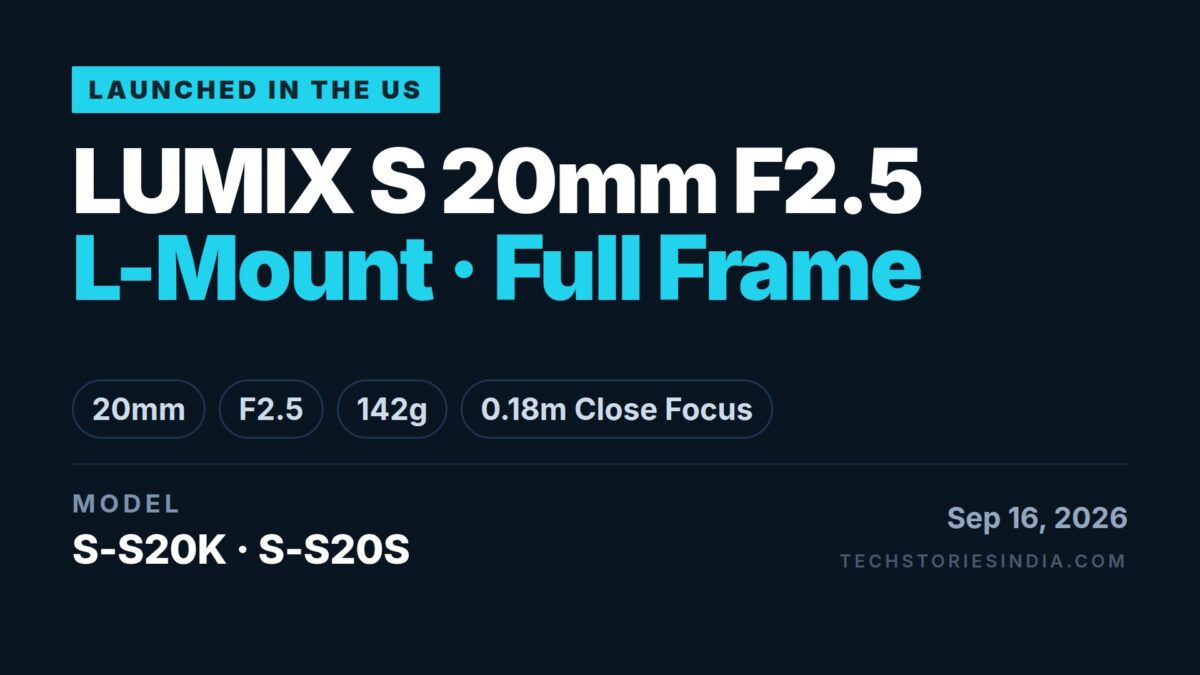
ASUS RT-BE59 Dual-Band WiFi 7 Router Listed on Amazon US – 5000 Mbps, MLO + 4K-QAM, 2.5G Port, AiMesh Compatible

ASUS has listed the RT-BE59 Dual-Band WiFi 7 Router on Amazon US. It is available at $179.99 (Lowest Price on Apr 18, 2026).

Key highlights include WiFi 7 speeds up to 5000 Mbps with MLO and 4K-QAM, a 2.5G WAN port plus a second 2.5G LAN port, AI-powered Smart AiMesh coverage up to 2,300 sq ft, and built-in AiProtection with VPN server and client support.


Pricing & Availability

ModelPriceLink
ASUS RT-BE59 Dual-Band WiFi 7 Router$179.99Amazon US↗

ASUS RT-BE59 Dual-Band WiFi 7 Router: Mesh-Compatible, 5000 Mbps, 2.5G Port, Parental Controls & VPNs, Advanced Network Security

by ASUS

Sold by Amazon.com
$179.99
  • Dual-band WiFi 7 speeds up to 5000 Mbps with MLO and 4K-QAM
  • AI-powered Smart AiMesh boosts coverage up to 2300 ft2 and easy extendibility with compatible ASUS routers for seamless and secure whole home WiFi
  • Four external antennas and one internal antennas eliminate WiFi dead zones
Temporarily out of stock.
Price last updated on: Apr 19, 2026 at 12:48 AM EDT (7 hours ago)
As an Amazon Associate, we earn from qualifying purchases.

WiFi 7 Performance

At the core of the RT-BE59 is WiFi 7 (802.11be) across both bands, delivering a combined throughput of up to 5000 Mbps4320 Mbps on the 5 GHz band and 688 Mbps on the 2.4 GHz band.

Multi-Link Operation (MLO) allows devices to transmit and receive data across both bands simultaneously, reducing latency and improving throughput. The router also supports 4096-QAM (4K-QAM), which increases data density per transmission compared to the 1024-QAM ceiling of WiFi 6/6E.

Additional speed technologies include OFDMA, Beamforming (standard and universal), and support for 20/40/80/160 MHz channel bandwidth.

The radio configuration is 3×3 on 5 GHz and 2×2 on 2.4 GHz, backed by a 2.0 GHz quad-core processor with 128 MB Flash and 1 GB RAM.


Coverage & AiMesh

Four external antennas and one internal antenna work together to reach coverage of up to 2,300 sq ft. The RT-BE59 supports ASUS AiMesh, operating as either a primary router or an AiMesh node — meaning it can slot into an existing ASUS AiMesh network or be used as the anchor point for one.

ASUS describes this as Smart AiMesh, which uses AI-based band steering and roaming decisions to manage connected devices across nodes.


Ports & Connectivity

PortSpecification
WAN1× 2.5G
LAN1× 2.5G + 3× 1G

The 2.5G WAN port supports multi-gigabit internet connections from compatible ISPs. On the LAN side, the 2.5G port is useful for connecting a NAS, a gaming PC, or a 2.5G switch directly. Three standard Gigabit LAN ports cover the rest of the wired clients.

Physical buttons include WPS, Reset, and Power. LED indicators cover Power, WAN, LAN, 2.4 GHz WiFi, and 5 GHz WiFi.

Power supply: AC 100–240V (50–60Hz) input, DC 12V / 2A output.


Network Features

Multiple SSIDs & Smart Home

Up to three separate SSIDs can be configured — useful for separating primary devices, IoT hardware, and guest access. The Smart Home Master function organises connected devices across these networks.

WAN & LAN Options

Supported WAN connection types include PPPoE, PPTP, L2TP, Automatic IP, and Static IP. The router supports Port Forwarding (up to 64 rules), Port Triggering (up to 32 rules), DMZ, DDNS, and NAT Passthrough for PPTP, L2TP, IPSec, RTSP, H.323, SIP, and PPPoE relay.

LAN features include a DHCP server, IGMP Snooping, and IPTV support. Wireless clients can be managed with MU-MIMO and WiFi MAC Address Filter.

Operating Modes

The RT-BE59 runs in either Wireless Router mode or AiMesh Node mode.


Security

AiProtection covers three main functions: Router Security Assessment, Malicious Site Blocking, and Infected Device Prevention and Blocking — all subscription-free.

Additional security options include WPA/WPA2/WPA3-Personal, WPA/WPA2-Enterprise, WPS, DNS-over-TLS, SSH access, a Security Scan, and a configurable Firewall with up to 64 keyword filters, 32 network service filters, and 64 URL filters. Let’s Encrypt SSL is also supported for the local admin interface.


VPN Support

Both VPN server and client roles are available on the RT-BE59:

  • VPN Server: IPSec, OpenVPN, PPTP, WireGuard
  • VPN Client: L2TP, OpenVPN, PPTP, WireGuard
  • Instant Guard: ASUS’s one-tap VPN solution for remote access

Parental Controls

Parental control options include Time Scheduling, Safe Browsing, and Customised Internet Schedule per device or group.


Traffic Monitoring

Traffic Monitor provides real-time visibility into wired and wireless traffic. Traffic Analyzer breaks down usage by daily, weekly, and monthly periods, along with Website History tracking. These are accessible via the ASUSWRT web interface or the ASUS Router app (iOS/Android).


Administration

Management tools include Configuration Backup and Restore, Diagnosis Tools, a Feedback System, System Log, New Device Connect Notification, Login Captcha, Connection Diagnosis, and Auto Firmware Update.


ASUS RT-BE59 Specifications / Technical Details

SpecificationDetails
ModelRT-BE59
Network StandardsWiFi 7 (802.11be), WiFi 6 (802.11ax), WiFi 5 (802.11ac), WiFi 4 (802.11n), 802.11g/b/a, IPv4, IPv6
Product SegmentBE5000 (688 + 4320 Mbps)
5 GHz SpeedUp to 4320 Mbps (WiFi 7 / 802.11be)
2.4 GHz SpeedUp to 688 Mbps (WiFi 7 / 802.11be)
Antennas4× External + 1× Internal
Radio Chains5 GHz: 3×3 / 2.4 GHz: 2×2
Processor2.0 GHz Quad-Core
RAM1 GB
Flash Storage128 MB
WAN Port1× 2.5G
LAN Ports1× 2.5G + 3× 1G
Speed TechnologiesOFDMA, MU-MIMO, Beamforming, 4096-QAM, MLO
Channel Bandwidth20/40/80/160 MHz
Operating ModesWireless Router, AiMesh Node
AiMeshYes (Primary Router + Node)
CoverageUp to 2,300 sq ft
VPN ServerIPSec, OpenVPN, PPTP, WireGuard
VPN ClientL2TP, OpenVPN, PPTP, WireGuard
SecurityAiProtection, WPA3, DNS-over-TLS, SSH, Firewall, Let’s Encrypt
Parental ControlsTime Scheduling, Safe Browsing, Customised Internet Schedule
SSIDsUp to 3
WAN TypesPPPoE, PPTP, L2TP, Automatic IP, Static IP
ButtonsWPS, Reset, Power
LED IndicatorsPower, WAN, LAN, 2.4 GHz WiFi, 5 GHz WiFi
Power InputAC 100–240V, 50–60Hz
Power OutputDC 12V / 2A
Dimensions238 × 193 × 59 mm
Weight506 g
User InterfaceASUSWRT (Web), ASUS Router App (iOS/Android)

What’s in the Box

  • ASUS RT-BE59 Router
  • RJ-45 Ethernet Cable
  • Power Adapter
  • Quick Start Guide
  • Warranty Card

  • ASUS RT-BE90U (Tri-Band, 10G Port, Quad 2.5G LAN, AiMesh) – $239.99 Amazon US↗ (Pre-order)
  • ASUS TUF Gaming BE6500 (TUF-BE6500) (Dual-Band, 6.5 Gbps, 4× 2.5GbE Ports, Game Accelerator) – $219.99 Amazon US↗
  • ASUS RT-BE9700 (Tri-Band, 10G Port, Smart AiMesh, Parental Controls) – $249.99 Amazon US↗
  • ASUS ROG Strix GS-BE12000 (Tri-Band, 12000 Mbps, 20G Wired, 3000 sq ft) – $399.99 Amazon US↗
  • ASUS GT-BE19000AI (ROG Rapture) (Tri-Band, 19000 Mbps, 320 MHz, Dual 10G, AI Game Boost, Aura RGB) – $874.99 Amazon US↗
As an Amazon Associate, we earn from qualifying purchases.

Note: Specifications listed above are based on available information and may not be 100% accurate. Please visit the official ASUS website or Amazon product page to verify complete and up-to-date specifications before making a purchase decision.

Disclaimer: We strongly recommend reading verified purchase reviews before making any online purchase. Always buy from trusted sellers. As an Amazon Associate, we may earn a commission from qualifying purchases made through links on this blog.

DJI Osmo Pocket 4 Gimbal Vlog Camera Available for Pre-Order on Amazon UK, Germany, France, Canada – 1″ CMOS, 4K/240fps, 3-Axis Stabilization, 107GB Storage

DJI has launched the 2026 Osmo Pocket 4 pocket gimbal vlog camera with international availability across Amazon UK, Germany, France, Canada etc starting April 16, 2026. The Osmo Pocket 4 is available to pre-order in three combo configurations — Essential Combo, Standard Combo, and Creator Combo — with pre-orders open in select regions.

Key highlights include the 1-inch CMOS sensor with f/2.0 aperture, 4K/240fps slow-motion video, 14 stops of dynamic range with 10-bit D-Log, 3-axis mechanical gimbal stabilization, ActiveTrack 7.0 with 4× zoom subject tracking, 107GB built-in storage, and a 2.0-inch 1000-nit rotatable touchscreen.

The DJI Osmo Pocket 4 weighs 190.5 g and measures 144.2 × 44.4 × 33.5 mm.

Pricing & Availability

ComboRegionLaunch PriceLink
DJI Osmo Pocket 4 Standard Combo ( 6937224133099 )Amazon UK£445.99Amazon UK↗
DJI Osmo Pocket 4 Creator Combo (6937224133082)Amazon UK £549.99Amazon UK↗
DJI Osmo Pocket 4 Creator Combo (6937224133082)Amazon Germany€619.99Amazon Germany↗
DJI Osmo Pocket 4 Creator Combo (6937224133082)Amazon France €619.99Amazon France↗
DJI Osmo Pocket 4 Creator Combo (6937224133082)Amazon Canada CA$829.99Amazon Canada↗
DJI Osmo Pocket 4 Standard Combo (6937224133099)Amazon Germany€499.99Amazon Germany↗
DJI Osmo Pocket 4 Standard Combo (6937224133099)Amazon France€499.99Amazon France↗
DJI Osmo Pocket 4 Essential Combo (6937224136502)Amazon Germany€479.99Amazon Germany↗
DJI Osmo Pocket 4 Essential Combo (6937224136502)Amazon France €479.99Amazon France↗

All prices are Lowest Price on April 16, 2026.

At the time of writing, the DJI Osmo Pocket 4 is not listed on Amazon India ( Check here for updates↗ ) and Amazon US ( probably won’t due to ban on DJI products ? ).

Key Features

  • 1-inch CMOS Sensor with f/2.0 Aperture — natural, clearer low-light portraits
  • 4K/240fps Ultra-HD Slow-Motion Video — recorded directly in-camera
  • 14 Stops of Dynamic Range and 10-bit D-Log — flexible color grading for cinematic shots
  • 3-Axis Mechanical Gimbal — steady footage while walking, running, or vlogging
  • ActiveTrack 7.0 — tracks subjects at up to 4× zoom with Spotlight Follow and Dynamic Framing modes
  • Intelligent AutoFocus with Subject Lock Tracking and Registered Subject Priority
  • Gesture Control — Palm Gesture toggles ActiveTrack; “V” Gesture takes a photo or starts/stops recording
  • 2× Lossless Zoom with dedicated Zoom button (1× / 2× / jump to 4×)
  • 107 GB Built-in Storage with up to 800 MB/s data transfer
  • Rotatable Touchscreen — start recording by rotating the screen
  • 5D Joystick — recenter, flip, and reverse-angle control
  • Compatible with DJI Mic 2 / Mic 3 / Mic Mini for 4-channel audio

1-inch CMOS Sensor and 4K/240fps Slow-Motion

At the heart of the DJI Osmo Pocket 4 is a 1-inch CMOS sensor paired with an f/2.0 aperture lens (20 mm format equivalent, focus range 0.2 m to ∞). The sensor delivers up to 14 stops of dynamic range along with a 10-bit D-Log color profile for richer detail and flexible grading.

Slow-motion capture goes up to 4K (3840×2160) at 240fps, with 1080p slow-motion available at 120fps and 240fps. Standard 4K records at up to 60fps in 16:9, and 3K vertical (1728×3072) is also supported up to 60fps for social-first formats. Maximum video bitrate is 180 Mbps (MP4/HEVC).

Still photography reaches a maximum image size of 7680×4320 (16:9) with single shot output around 37 MP. Photo ISO range covers 50–12800, while low-light video can push ISO to 25600.

3-Axis Stabilization with ActiveTrack 7.0

The mechanical 3-axis gimbal smooths out walking, running, and handheld motion. Controllable range is Pan: -235° to 58°, Tilt: -120° to 70°, and Roll: -45° to 45°, with a maximum controllable speed of 180°/s and angular vibration range of ±0.005°.

ActiveTrack 7.0 can track subjects even at 4× zoom, with additional modes:

  • Spotlight Follow
  • Dynamic Framing
  • Subject Lock Tracking — locks onto a selected subject; tap the screen to swap
  • Registered Subject Priority — pre-registered subject is prioritized for focus

Quick Shots can also be triggered via gesture control — Palm Gesture toggles ActiveTrack, and the “V” Gesture takes a photo or starts/stops recording.

2.0-inch Rotatable Touchscreen and 5D Joystick

The DJI Osmo Pocket 4 features a 2.0-inch touchscreen with 556×314 resolution and 1000 nits brightness. Rotating the screen starts recording instantly. Below the display sit two new buttons — a dedicated Zoom button (1× / 2× / jump to 4×) and a custom preset button mapped to the creator’s preferred settings.

A new 5D joystick allows the camera to move backwards, recenter the gimbal, and flip the camera direction.

Storage, Transfer Speeds, and microSD Support

The camera ships with 107 GB of built-in storage and supports microSD cards up to 1 TB (exFAT). Recommended microSD models include the Lexar Silver Plus and Kingston CANVAS GO! Plus ranges in 64GB, 128GB, 256GB, 512GB, and 1TB U3 A2 V30 microSDXC capacities. Direct transfer speeds reach up to 800 MB/s without needing an SD card.

Battery & Charging

SpecificationDetails
Battery TypeLi-ion
Capacity1545 mAh
Energy11.95 Wh
Voltage7.74 V
Operating Time240 minutes (1080p/24fps, Wi-Fi off, screen off, 25 °C)
Charging Time18 min to 80% / 32 min to 100% (with DJI 65W Portable Charger, sold separately)
Operating Temperature0° to 40° C
Charging Temperature5° to 45° C

Audio: OsmoAudio Ecosystem and 4-Channel Recording

The DJI Osmo Pocket 4 ships with 3 built-in microphones capturing clear vocals alongside ambient sound. Audio output is 48 kHz 16-bit AAC.

The camera supports a direct connection to DJI Mic transmitters for 4-channel audio recording, including:

  • DJI Mic 2
  • DJI Mic 3
  • DJI Mic Mini

(Each transmitter is sold separately or included in select combos.)

Connectivity

  • Wi-Fi: 802.11 a/b/g/n/ac/ax — operating on 2.4 GHz, 5.1 GHz, and 5.8 GHz bands
  • Bluetooth: BLE 5.4 with BR/EDR support
  • Bluetooth Operating Frequency: 2.400–2.4835 GHz
  • Bluetooth Transmitter Power (EIRP): < 14 dBm

Creative Modes and Features

  • Slow Shutter Video — adjust shutter speed in Video mode for motion blur and movement trails
  • Film Tone — multiple film-style tones for master-grade looks
  • In-Camera Beautify — fine-tune skin smoothness, brightness, and tone
  • Attachable Fill Light — soft lighting for low-light or backlit scenes (3 brightness and 3 temperature settings)
  • Hyperlapse — 4K/1080p at 25/30fps with intervals from Auto to ×30
  • Timelapse — 4K/1080p at 25/30fps with intervals 0.5–60 s and durations from 5 mins to ∞ hours
  • Motionlapse — supports four position presets
  • Panorama — 180°, 3×3
  • Countdown — 0.5/1/2/3/5/10 s

What’s in Each Combo

Essential Combo (€479.99)

  • Gimbal camera
  • Handle with 1/4″ thread
  • Portable carrying pouch

Standard Combo (€499.99)

  • Gimbal camera
  • Gimbal clamp/clip
  • Handle with 1/4″ thread
  • Portable carrying pouch
  • Additional accessories

Creator Combo (£549.99 / €619.99 / CA$829.99)

  • Gimbal camera
  • DJI Mic 3 Transmitter
  • Fill Light
  • Wide-Angle Lens
  • Osmo Mini Tripod
  • Additional accessories

Battery charger is sold separately. DJI 65W Portable Charger is recommended.

DJI Osmo Pocket 4 Specifications / Technical Details

SpecificationDetails
ModelDJI Osmo Pocket 4
Dimensions144.2 × 44.4 × 33.5 mm (L×W×H)
Weight190.5 g
Sensor1-inch CMOS
Lens20 mm format equivalent, f/2.0
Focus Range0.2 m to ∞
ISO Range (Photo)50–12800
ISO Range (Video)50–12800
ISO Range (Low-Light Video)50–25600
Shutter Speed (Photo)1/8000 – 4 s
Shutter Speed (Video, M)1/8000 – 1/4 s
Max Image Size7680×4320 (16:9), 6144×6144 (1:1)
Single Shot ResolutionApprox. 37 MP
Slow Motion (4K)3840×2160 @ 100/120/200/240 fps
Slow Motion (1080p)1920×1080 @ 120/240 fps
Normal Video (4K, 16:9)3840×2160 @ 24/25/30/48/50/60 fps
Normal Video (3K, 9:16)1728×3072 @ 24/25/30/48/50/60 fps
Low-Light Video4K @ 24/25/30 fps; 1080p @ 24/25/30 fps
Max Video Bitrate180 Mbps
Video FormatMP4 (HEVC)
Photo FormatJPEG / DNG / JPEG+DNG
Audio Output48 kHz 16-bit; AAC
Microphones3
Touchscreen Size2.0 inches
Touchscreen Resolution556 × 314
Touchscreen Brightness1000 nits
Built-in Storage107 GB
Supported SD CardsmicroSD (up to 1 TB)
File SystemexFAT
Gimbal Pan Range (Controllable)-235° to 58°
Gimbal Tilt Range (Controllable)-120° to 70°
Gimbal Roll Range (Controllable)-45° to 45°
Max Controllable Speed180°/s
Angular Vibration Range±0.005°
Battery TypeLi-ion
Battery Capacity1545 mAh
Battery Energy11.95 Wh
Battery Voltage7.74 V
Operating Time240 minutes (1080p/24fps)
Charging Time18 min to 80% / 32 min to 100%
Operating Temperature0° to 40° C
Wi-Fi Protocol802.11 a/b/g/n/ac/ax
Wi-Fi Bands2.4 GHz, 5.1 GHz, 5.8 GHz
BluetoothBLE 5.4, BR/EDR
Digital Zoom (Photo)7680×4320, 2×
Digital Zoom (Video)1080p, 4×; 3K, 4×; 4K, 4×

DJI Care Refresh

DJI Care Refresh is available for the DJI Osmo Pocket 4 with two plan options:

  • DJI Care Refresh (1-Year Plan) — up to 2 replacements within 1 year
  • DJI Care Refresh (2-Year Plan) — up to 4 replacements within 2 years

Coverage includes accidental damage from natural wear, collisions, and water damage. Other services include official warranty, international warranty service, and free shipping. Full details: www.dji.com/support/service/djicare-refresh

Note: Specifications listed above are based on available information and may not be 100% accurate. Please visit the official DJI website or Amazon product page to verify complete and up-to-date specifications before making a purchase decision.

Disclaimer: We strongly recommend reading verified purchase reviews before making any online purchase. Always buy from trusted sellers. Discounts are often based on MRP prices. As an Amazon Associate, we may earn a commission from qualifying purchases made through links on this blog.

Amazfit Cheetah 2 Pro 48mm (A2564) up for Pre-order on Amazon US – Check Price, Specs

Amazfit has opened pre-orders for the 2026 Cheetah 2 Pro 48mm (A2564) GPS running smartwatch on Amazon US. The running-focused wearable is available for pre-order at $449.99 (Lowest Price on April 16, 2026).

Key highlights include the 1.32″ AMOLED sapphire display, Grade 5 titanium case, 32GB on-device storage, downloadable offline maps with automatic rerouting, dual-color flashlight, and up to 20 days of typical battery life.

The Amazfit Cheetah 2 Pro 48mm (A2564) is marketed as an advanced GPS running smartwatch for marathon runners, with the Hybrid Training System and BioTracker sensor handling training load and recovery metrics alongside 24/7 health tracking.

Pricing & Availability

ModelPre-Order PriceLink
Amazfit Cheetah 2 Pro 48mm (A2564)$449.99Amazon US↗

Amazfit Cheetah 2 Pro 48mm GPS Running Smartwatch, 1.32" AMOLED Display, Sapphire Glass, Ti Case, 32GB Storage, 20 Days of Battery, 5 ATM, Flashlight, Offline Maps, 170+ Sports for Android & iPhone

by Amazfit

Sold by Amazon.com #1,057 in Smartwatches
$449.99
  • REFINED STRUCTURE: Built with extraordinary durability for high-mileage runs, the grade 5 titanium case and scratch-resistant sapphire glass protect a vibrant 1.32" AMOLED display. Unnecessary material is removed while rigidity and precision are preserved.
  • BUILT-IN RUNNING WORKOUTS: From half marathons to Fartlek runs, structured workouts guide every phase of your training. Advanced insights like lactate threshold, running power, and gait analysis, help you understand how your performance evolves over time.
  • DUAL-COLOR FLASHLIGHT: Improve visibility during early morning and late-night miles. White and red light options, plus Boost and SOS modes, add confidence and safety when using your running watch in unpredictable, low-light conditions.
Usually ships within 2 to 3 days
Price last updated on: Apr 19, 2026 at 4:36 AM EDT (4 hours ago)
As an Amazon Associate, we earn from qualifying purchases.

At the time of writing, it is not listed on Amazon India.

Key Features

  • 1.32″ AMOLED display with scratch-resistant sapphire glass
  • Grade 5 titanium case (military-standard durability)
  • 32GB on-device storage
  • Downloadable offline maps with automatic rerouting and POI search
  • Point-to-point route planning for optimized round-trips
  • Six satellite GNSS systems with Point Dead Reckoning technology
  • Dual-color LED flashlight (white and red) with Boost and SOS modes
  • Up to 20 days typical battery life (31h Accurate GPS, 69h Power Saving)
  • BioTracker sensor for 24/7 heart rate, SpO2, sleep, and stress
  • 170+ sports modes with built-in structured running workouts
  • Running insights: lactate threshold, running power, gait analysis
  • 5 ATM water resistance
  • Compatible with Android and iPhone via the Zepp app

Display

The 1.32-inch AMOLED panel is covered by scratch-resistant sapphire glass, sitting flush in the refined Grade 5 titanium case. Amazfit has trimmed unnecessary material from the body while preserving rigidity, keeping the profile tuned for long-distance running.

Health & Fitness Features

Training sits at the centre of the Amazfit Cheetah 2 Pro 48mm (A2564). The BioTracker sensor handles 24/7 heart rate zone monitoring, blood oxygen (SpO2), sleep tracking, and stress insights, while the BioCharge score translates those readings into a day-to-day energy view.

For runners, structured workouts cover formats from half marathons to Fartlek runs, and the watch layers on advanced insights like lactate threshold, running power, and gait analysis to show how performance evolves across training cycles.

The Hybrid Training System inside the Zepp app ties it all together. The Focus tool highlights what the body needs on a given day, and the Weekly Structure view visualizes endurance, strength, and recovery sessions across the week. Over 170+ sports modes are supported for tracking beyond running.

Offline maps download directly to the watch, with route planning available on the watch or inside the Zepp app. Imported courses get turn-by-turn guidance, and if the runner drifts off the planned path, the watch auto-calculates a new route. A built-in POI search surfaces nearby cafes, water fountains, and other waypoints, and point-to-point planning can generate optimized round-trip routes on the go. Positioning is handled by six satellite GNSS systems alongside Point Dead Reckoning for tunnels and dense-cover sections.

Safety & Visibility

A dual-mode LED flashlight is built into the case. Runners get white and red light options, plus Boost and SOS modes for early-morning miles, late-night sessions, and low-light safety.

Battery & Charging

Battery life on the Amazfit Cheetah 2 Pro 48mm (A2564) is rated at up to 20 days of typical use. In GPS-heavy scenarios, expect 31 hours in Accurate GPS mode and 69 hours in Power Saving mode — enough runway for ultramarathons and extended training blocks. Amazfit’s product description separately cites up to 17 days typical use and 29 hours of highly accurate GPS tracking, reflecting different usage profiles. Charging is handled through a magnetic charging base.

Connectivity & Compatibility

  • App: Zepp (Android & iPhone)
  • Storage: 32GB on-device
  • Water Resistance: 5 ATM

Amazfit Cheetah 2 Pro 48mm (A2564) Specifications / Technical Details

SpecificationDetails
ModelAmazfit Cheetah 2 Pro 48mm (A2564)
UPC850082990177
Case Size48mm
Case MaterialGrade 5 Titanium (military-standard)
Display1.32″ AMOLED
Display ProtectionSapphire Glass (scratch-resistant)
Storage32GB
Water Resistance5 ATM
Battery Life (Typical)Up to 20 days
Battery Life (Accurate GPS)31 hours
Battery Life (Power Saving)69 hours
GPSSix satellite GNSS systems
Navigation TechPoint Dead Reckoning
Offline MapsYes (downloadable, with automatic rerouting)
Route PlanningOn-watch + Zepp app, point-to-point, POI search
FlashlightDual-color LED (white / red), Boost + SOS modes
Heart Rate24/7 with zone monitoring
SpO2Yes
Sleep TrackingYes
Stress MonitoringYes
BioCharge ScoreYes
SensorBioTracker
Sports Modes170+
Running FeaturesStructured workouts, lactate threshold, running power, gait analysis
Training SystemHybrid Training System (Zepp app)
App CompatibilityAndroid & iPhone (Zepp app)
ChargingMagnetic charging base

What’s in the Box

  • Amazfit Cheetah 2 Pro 48mm (A2564) Smartwatch
  • Magnetic Charging Base (USB Type-C cable not included)
  • User Manual
As an Amazon Associate, we earn from qualifying purchases.

Note: Specifications listed above are based on available information and may not be 100% accurate. Please visit the official Amazfit website or Amazon product page to verify complete and up-to-date specifications before making a purchase decision.

Disclaimer: We strongly recommend reading verified purchase reviews before making any online purchase. Always buy from trusted sellers. Discounts are often based on MRP prices. As an Amazon Associate, we may earn a commission from qualifying purchases made through links on this blog.

DaVinci Resolve 21 Photos Not Loading and Videos Showing Black on Ubuntu – Hybrid NVIDIA GPU Fix + H.264/AAC Codec Workaround

DaVinci Resolve 21 introduces a brand-new Photo page, bringing Hollywood’s most advanced color tools to still photography — a serious potential Lightroom alternative for photographers who also edit video.

The plan was simple: fire up Resolve 21 on Ubuntu 25.10 to try the new Photo page alongside the usual video timeline. Reality hit fast. Photos wouldn’t load into the Photo page. Video clips dropped onto the Edit and Color timelines showed black frames. Thumbnails in the Media Pool stayed grey. The Resolve UI looked alive, the splash said “Ready”, but anything that should render a pixel to the viewer just… didn’t.

If you hit this exact scenario — excited to try the new Photo page on a hybrid-GPU Linux laptop and finding that neither photos nor videos will load in the viewer, with Failed to register OpenGL object for CUDA interop: cudaErrorUnknown filling the Resolve debug log — this post is for you. Root cause: a hybrid-GPU buffer mismatch between Xwayland’s OpenGL context (running on the iGPU) and the CUDA context (running on the NVIDIA dGPU). Once that was fixed, a separate issue showed up on DJI drone MP4s: Failed to decode the audio samples — the known H.264/AAC licensing gap on DaVinci Resolve Free for Linux. Both problems have clean fixes. This post documents the error signatures and the exact commands that cleared each one.

Installed Resolve from scratch? This post assumes Resolve is already running. If you are still dealing with the installer refusing to find libapr1/libasound2/libglib2.0-0 or the launch-time g_once_init_leave_pointer symbol error from libpango, start with the companion guide: How to Install DaVinci Resolve 21.0b1 on Ubuntu 25.10 – Fixing Missing Packages and the libpango g_once_init_leave_pointer Error. The GPU and codec fixes below pick up from where that guide ends.

System Under Test

ItemValue
OSUbuntu 25.10 (Questing)
Kernel6.17.0-20-generic
SessionGNOME Wayland (Xwayland for X11 apps)
dGPUNVIDIA GeForce RTX 3050 Laptop GPU (driver 580, proprietary)
iGPUAMD Radeon Vega (integrated)
PRIMEon-demand
DaVinci Resolve21.0b1 Linux (public beta) — /opt/resolve

Issue 1: CUDA-OpenGL Interop Failure — Photos and Videos Don’t Load

Symptom

Resolve launches, reaches the “Ready” state, and the UI looks normal. But the moment a clip or a still image is placed on the timeline, the source viewer and record viewer stay black. The Color page loads (splash passes through it), but thumbnails don’t render. In ~/.local/share/DaVinciResolve/logs/ResolveDebug.txt, the same error repeats hundreds of times per second:

DVIP | ERROR | Failed to register OpenGL object for CUDA interop: cudaErrorUnknown.

Why It Happens

Resolve’s Display/Viewer pipeline uses a CUDA-OpenGL interop handshake: it allocates textures in an OpenGL context, then registers them with the CUDA runtime so the GPU-side color and image processing can read/write them without copying through system RAM. This handshake only works when the OpenGL context and the CUDA context live on the same physical GPU.

On a PRIME on-demand hybrid laptop, the default behavior is:

  • OpenGL context → created on the iGPU / Mesa / Xwayland’s rendering pipeline (whatever the compositor picks, often the integrated GPU to save power).
  • CUDA context → always on the NVIDIA dGPU (there’s nowhere else for CUDA to run).

When Resolve then tries cudaGraphicsGLRegisterImage() on a texture that was allocated on the AMD iGPU, CUDA can’t pin that memory because it belongs to a different device. The call returns cudaErrorUnknown and the interop layer silently falls through — no pixel ever reaches the viewer.

Fix — Force the Whole Process Onto the NVIDIA GPU

The NVIDIA driver exposes three environment variables that tell GLX and Vulkan to use the NVIDIA GPU instead of whatever the compositor picked. Setting all three before launching Resolve forces OpenGL onto the same device that CUDA already uses, so the interop registration succeeds.

__NV_PRIME_RENDER_OFFLOAD=1 \
__GLX_VENDOR_LIBRARY_NAME=nvidia \
__VK_LAYER_NV_optimus=NVIDIA_only \
/opt/resolve/bin/resolve

What each variable does:

VariableEffect
__NV_PRIME_RENDER_OFFLOAD=1Signals PRIME to offload rendering from the iGPU to the NVIDIA dGPU for this process.
__GLX_VENDOR_LIBRARY_NAME=nvidiaForces GLVND to load NVIDIA’s GLX implementation instead of Mesa’s. OpenGL contexts are now created on the NVIDIA GPU.
__VK_LAYER_NV_optimus=NVIDIA_onlySame idea for Vulkan — tells the Optimus layer to expose only the NVIDIA device.

Verify It Worked

After relaunching Resolve with those variables, grep the log:

grep -c "CUDA interop" ~/.local/share/DaVinciResolve/logs/ResolveDebug.txt

Before the fix: thousands of Failed to register OpenGL object for CUDA interop lines per session.
After the fix: 0.

Photos now show in the Media Pool and viewers. Video timelines render frames. The Color page scopes (waveform, vectorscope, parade) populate instead of staying blank.

Why Launching From the GNOME App Icon Still Shows the Error

A common follow-up: the terminal launch works, but clicking the DaVinci Resolve tile in the GNOME app grid brings the CUDA interop errors right back. This is because the GNOME launcher executes the .desktop file’s Exec= line verbatim and does not inherit environment variables from your shell. So the icon still launches plain /opt/resolve/bin/resolve with no NVIDIA offload — OpenGL falls back to the iGPU and the interop error spam returns.

Make the Fix Permanent — Use a Wrapper Script, Not an Inline env= in the .desktop File

The tempting shortcut here is to edit the Exec= line in /usr/share/applications/com.blackmagicdesign.resolve.desktop to prepend the env vars inline, like this:

Exec=env __NV_PRIME_RENDER_OFFLOAD=1 __GLX_VENDOR_LIBRARY_NAME=nvidia __VK_LAYER_NV_optimus=NVIDIA_only /opt/resolve/bin/resolve %u

This looks right but breaks in practice. When GNOME, gtk-launch, or gio launch parse that Exec line, some handlers mis-quote the arguments and Resolve ends up receiving %u (or a stray token from the env block) as a literal argv, which it interprets as a config file path. Result: an instant assertion-failure crash before the window even appears:

Failed to load config file "%u".
AppConfig.cpp:271: void AppConfig::LoadAllSiteInfo(): Assertion `m_SiteEnabledIdx > 0' failed.
Signal Number = 6

The robust fix is a one-file wrapper script at /usr/local/bin/ that sets the env vars itself and execs Resolve with proper argv passing. The entire setup — creating the wrapper, making it executable, patching the .desktop launcher, and refreshing GNOME’s database — fits in a single copy-paste block. Open a terminal (Ctrl+Alt+T) and paste this whole block at once:

sudo bash -c 'cat > /usr/local/bin/davinci-resolve-nvidia << "EOF"
#!/bin/bash
export __NV_PRIME_RENDER_OFFLOAD=1
export __GLX_VENDOR_LIBRARY_NAME=nvidia
export __VK_LAYER_NV_optimus=NVIDIA_only
exec /opt/resolve/bin/resolve "$@"
EOF
chmod +x /usr/local/bin/davinci-resolve-nvidia
sed -i "s|^Exec=.*|Exec=/usr/local/bin/davinci-resolve-nvidia %u|" /usr/share/applications/com.blackmagicdesign.resolve.desktop
update-desktop-database /usr/share/applications/'

Enter your password when prompted. The command runs everything inside one sudo bash -c so there’s only one sudo password prompt and no risk of a missed step.

Verify it applied cleanly:

grep "^Exec=" /usr/share/applications/com.blackmagicdesign.resolve.desktop

Expected output:

Exec=/usr/local/bin/davinci-resolve-nvidia %u

Why this wrapper approach works:

  • exec replaces the shell with Resolve — no extra shell process lingers in memory.
  • "$@" preserves quoting, so if GNOME passes a .resolveproj file through %u, Resolve receives it as a proper single argv. If %u expands to nothing, no stray argv is added.
  • Env vars are set inside the script, not in the .desktop Exec line, so no launcher quirk can eat them.

From the next GNOME refresh (log out and back in, or run killall -HUP gnome-shell on Xorg / press Alt+F2 → r → Enter on X11 sessions), clicking the DaVinci Resolve tile in the app grid launches the process on the NVIDIA GPU with no CUDA interop errors, identical to the terminal launch.

A Resolve reinstall or point-release update may overwrite com.blackmagicdesign.resolve.desktop — if the interop errors reappear after a Resolve upgrade, paste the block above again. The /usr/local/bin/davinci-resolve-nvidia wrapper sits outside Resolve’s install tree and survives Resolve upgrades untouched, so only the sed portion is re-applying work on updates.

Issue 2: Some MP4 Clip Won’t Play — “Failed to Decode the Audio Samples”

Symptom

With the GPU issue fixed and clips loading correctly, some specific Video files still refused to play cleanly:

IO.Audio | ERROR | Failed to decode clip </home/mac/Videos/DJI_0653.MP4>, track: 0, position: 7712000 - Failed to decode the audio samples.

The error repeats on every timeline scrub. Depending on the file, the video portion may also show as unsupported.

Why It Happens

This is not a bug — it’s Blackmagic’s licensing policy on the Linux build of DaVinci Resolve Free. The free version on Linux ships without the H.264 and AAC decoder licenses, so any clip that uses those codecs in an MP4 or MOV container fails to decode. The paid DaVinci Resolve Studio and the Windows/macOS builds of Free all include these codecs because the licenses are paid for differently on those platforms.

The clip in question probed as:

Video: H.264 High profile, 2720x2040, 23.976fps, yuv420p
Audio: AAC LC, 48 kHz, stereo

Both the video codec (H.264) and the audio codec (AAC) fall under the restricted set.

Two Ways Forward

  1. Upgrade to DaVinci Resolve Studio (one-time paid license). H.264, H.265 and AAC decode become available natively.
  2. Transcode the source to a Resolve-native intermediate codec using ffmpeg. This is the free route. DNxHR in a MOV container with uncompressed PCM audio is the standard choice — Resolve has always supported it, even on the free Linux build.

Transcode Command

ffmpeg -i DJI_0653.MP4 \
  -c:v dnxhd -profile:v dnxhr_hq -pix_fmt yuv422p \
  -c:a pcm_s16le \
  DJI_0653_resolve.mov

Breakdown:

FlagPurpose
-c:v dnxhdEncode the video with Avid DNxHD/DNxHR.
-profile:v dnxhr_hqUse the DNxHR HQ profile — resolution-independent, visually lossless at 8-bit, broadly supported.
-pix_fmt yuv422pDNxHR requires 4:2:2 chroma subsampling.
-c:a pcm_s16leUncompressed 16-bit signed little-endian PCM audio — no AAC anywhere in the file.

Other valid profile choices if size or bit-depth matters:

  • dnxhr_sq — smaller file, still very high quality, 8-bit.
  • dnxhr_hqx — 10-bit, use when the source is 10-bit or when grading wide-gamut material.
  • dnxhr_444 — 10-bit 4:4:4, highest quality, large files.

Size Expectations

DNxHR is an intermediate codec, not a delivery codec, so file sizes are an order of magnitude larger than H.264. The 3-minute 2.7K DJI clip transcoded to dnxhr_hq produced a ~10.6 GB .mov vs. a ~400 MB original MP4. This is normal and the trade Blackmagic expects — you’d deliver from Resolve back to H.264 at export time.

Verify

Probe the transcoded file to confirm the codecs are Resolve-friendly:

ffprobe -v error -select_streams v:0 -show_entries stream=codec_name,profile,pix_fmt DJI_0653_resolve.mov
ffprobe -v error -select_streams a:0 -show_entries stream=codec_name,sample_rate,channels DJI_0653_resolve.mov

Expected output:

codec_name=dnxhd
profile=DNxHR HQ
pix_fmt=yuv422p

codec_name=pcm_s16le
sample_rate=48000
channels=2

Drop the .mov into the Resolve Media Pool — it plays immediately with audio, no decode errors in the log.

Batch Transcode a Whole Folder

For a shoot with many clips, loop over the folder:

cd /path/to/clips
for f in *.MP4; do
  ffmpeg -i "$f" \
    -c:v dnxhd -profile:v dnxhr_hq -pix_fmt yuv422p \
    -c:a pcm_s16le \
    "${f%.MP4}_resolve.mov"
done

Combined Outcome

With both fixes in place:

  • ~/.local/share/DaVinciResolve/logs/ResolveDebug.txt shows zero CUDA interop errors.
  • The Color page, photos, and viewer thumbnails all render correctly.
  • DNxHR-transcoded clips play with audio and no decode errors.
  • Resolve remains stable through full project edits.

FAQ / Common Questions

Why do photos and video clips show as black in Resolve on my Optimus/PRIME laptop?
Because the OpenGL context is being created on the integrated GPU while Resolve’s CUDA pipeline runs on the NVIDIA GPU. The interop handshake between those two APIs only works when both live on the same physical device. Launching with __NV_PRIME_RENDER_OFFLOAD=1 __GLX_VENDOR_LIBRARY_NAME=nvidia __VK_LAYER_NV_optimus=NVIDIA_only forces the OpenGL side onto the NVIDIA GPU and clears the cudaErrorUnknown spam.

Is the cudaErrorUnknown interop error a driver bug?
It isn’t. It’s the expected result when CUDA is asked to register an OpenGL texture that lives on a different GPU. The NVIDIA driver has no cross-vendor memory import path here, so the error is correct — the fix is to put the OpenGL context on the same device as CUDA.

Why does Resolve Free on Linux refuse to decode H.264 and AAC when VLC and mpv play the same file fine?
VLC and mpv ship with LGPL decoders (libavcodec, FFmpeg). Blackmagic can’t redistribute H.264 and AAC decoders inside the free Linux build of Resolve because the MPEG-LA and Fraunhofer licenses require per-copy royalties that Blackmagic pays only for Studio and for the platforms where the OS vendor pre-licenses these codecs. It’s a commercial-licensing limitation, not a technical one.

Does DaVinci Resolve Studio lift the H.264/AAC restriction on Linux?
Yes. Studio includes the licensed H.264, H.265, and AAC decoders on Linux, plus H.264/H.265 encoding for the Deliver page.

Why DNxHR HQ specifically? Would ProRes work?
DNxHR HQ is visually lossless at 8-bit, broadly supported by Resolve on all platforms, and ffmpeg bundles an open encoder for it. ProRes also works — -c:v prores_ks -profile:v 3 produces ProRes HQ — but ProRes 422 HQ files are slightly larger and the encoder’s tuning varies between FFmpeg versions. DNxHR is the safer default on Linux.

Will this GPU fix survive a driver or kernel update?
The env vars are not tied to a driver version or kernel, so they continue to work across upgrades. If a future NVIDIA driver changes the variable names or adds a new one, you’d update the .desktop Exec= line accordingly. Switching between PRIME on-demand and PRIME performance modes also doesn’t change the answer — the env vars always pin the process to NVIDIA.

Can I use this same env-var trick for other apps that fail on hybrid GPUs?
Yes. Any CUDA app that draws through OpenGL (Blender, Houdini, Natron, OBS with NVENC + OpenGL capture, certain ML notebooks that visualize tensors through GL textures) can hit the same interop wall. Prefixing the launch command with those three env vars is a general fix for the pattern.


Note: Behavior reported here is from a single hybrid laptop on Ubuntu 25.10 with the NVIDIA 580 proprietary driver and DaVinci Resolve 21.0b1 Linux Beta. Other driver branches and Resolve releases may differ in edge cases. The env-var approach remains correct for any NVIDIA driver that supports PRIME offload, which is all 435-series and newer.

Disclaimer: DaVinci Resolve 21.0b1 is a public beta from Blackmagic Design. Use on production systems at your discretion. H.264 and AAC decoding limitations on Linux are a property of the Resolve Free edition only and are expected behavior, not a malfunction.


How to Install DaVinci Resolve 21.0b1 on Ubuntu 25.10 – Fixing Missing Packages and the libpango g_once_init_leave_pointer Error

Installing DaVinci Resolve 21.0b1 on Ubuntu 25.10 (Questing) runs into two blockers out of the box: the installer rejects the system because of “missing” APR, ALSA and GLib packages, and after install the binary refuses to launch with a g_once_init_leave_pointer symbol lookup error in libpango-1.0.so.0. Both issues are caused by Ubuntu 25.10’s 64-bit time_t transition and DaVinci Resolve bundling an older GLib. This post walks through the exact fix used on a working system, with the commands copy-paste ready.

System Details

ItemValue
OSUbuntu 25.10 (Questing)
Kernel6.17.0-20-generic
DaVinci Resolve21.0b1 Linux (public beta)
Installer fileDaVinci_Resolve_21.0b1_Linux.run
Install location/opt/resolve

Issue 1: Installer Complains About Missing Packages

When launching the .run installer on Ubuntu 25.10, it aborts with:

Error: Missing or outdated system packages detected.

Please install the following missing packages:
    libapr1 libaprutil1 libasound2 libglib2.0-0

Use SKIP_PACKAGE_CHECK=1 to bypass the system package check.

Why This Happens

Ubuntu 24.04 and later have transitioned to 64-bit time_t on 32-bit-capable architectures. During the transition, several library packages were renamed with a t64 suffix to signal the new ABI. On Ubuntu 25.10 the legacy names are no longer available in the archive, and the replacements are:

Legacy name (installer asks for)Ubuntu 25.10 package (actually installable)
libapr1libapr1t64
libaprutil1libaprutil1t64
libasound2libasound2t64
libglib2.0-0libglib2.0-0t64

A plain apt install libasound2 fails with Package 'libasound2' has no installation candidate because it is now a virtual package provided by libasound2t64.

Fix: Install the t64 Variants

Run the following:

sudo apt update
sudo apt install -y libapr1t64 libaprutil1t64 libasound2t64 libglib2.0-0t64

On a fresh Ubuntu 25.10 desktop install, libasound2t64 and libglib2.0-0t64 are usually already present as dependencies of the desktop stack. libapr1t64 and libaprutil1t64 typically need to be pulled in.

Run the Installer With the Package Check Skipped

Because the installer still looks for the legacy package names, pass SKIP_PACKAGE_CHECK=1 to bypass its check (the actual runtime dependencies are satisfied by the t64 packages — ABI-compatible).

cd ~/Downloads/DaVinci_Resolve_21.0b1_Linux
chmod +x DaVinci_Resolve_21.0b1_Linux.run
sudo SKIP_PACKAGE_CHECK=1 ./DaVinci_Resolve_21.0b1_Linux.run -i -y -a

Flag breakdown:

  • -i — install without GUI (text-mode install, useful over SSH or when zenity/dbus isn’t available)
  • -y — skip confirmation prompts
  • -a--allowroot; the installer refuses to run as root by default and exits with “The DaVinci Resolve installer is not intended to be run as the root user”, so this flag is required when invoking with sudo

On success the installer copies files to /opt/resolve, drops a desktop entry, installs udev rules for Blackmagic panels, creates /var/BlackmagicDesign/DaVinci Resolve, and ends with:

DaVinci Resolve installed to /opt/resolve
Done

Issue 2: Launch Error – undefined symbol g_once_init_leave_pointer

With install complete, running the binary fails immediately:

$ /opt/resolve/bin/resolve
/opt/resolve/bin/resolve: symbol lookup error: /lib/x86_64-linux-gnu/libpango-1.0.so.0: undefined symbol: g_once_init_leave_pointer

Why This Happens

DaVinci Resolve 21.0b1 ships with its own bundled copy of GLib 2.68.4 inside /opt/resolve/libs/:

libglib-2.0.so.0.6800.4
libgio-2.0.so.0.6800.4
libgmodule-2.0.so.0.6800.4
libgobject-2.0.so.0.6800.4

Because the resolve binary is launched with a wrapper that prepends /opt/resolve/libs to the dynamic linker search path, these bundled libraries take precedence over the system’s GLib. Meanwhile, the system’s libpango (linked against Ubuntu 25.10’s GLib 2.86) expects the symbol g_once_init_leave_pointer, which was only added in GLib 2.80. GLib 2.68 does not export it, so when libpango tries to resolve the symbol against the bundled (older) libglib, the loader fails.

In short: two components that must agree on GLib version are disagreeing — system libpango wants GLib ≥ 2.80, Resolve ships GLib 2.68.

Fix: Move the Bundled GLib Libraries Aside

The safe fix is to move (not delete) the bundled GLib family out of /opt/resolve/libs/ so the dynamic linker falls through to the system copies, which libpango is already happy with.

sudo mkdir -p /opt/resolve/libs/disabled_libs

sudo mv /opt/resolve/libs/libglib-2.0.so*   /opt/resolve/libs/disabled_libs/
sudo mv /opt/resolve/libs/libgio-2.0.so*    /opt/resolve/libs/disabled_libs/
sudo mv /opt/resolve/libs/libgmodule-2.0.so* /opt/resolve/libs/disabled_libs/
sudo mv /opt/resolve/libs/libgobject-2.0.so* /opt/resolve/libs/disabled_libs/

Files moved (all four families, symlinks and real SONAMEs):

libglib-2.0.so       libglib-2.0.so.0       libglib-2.0.so.0.6800.4
libgio-2.0.so        libgio-2.0.so.0        libgio-2.0.so.0.6800.4
libgmodule-2.0.so    libgmodule-2.0.so.0    libgmodule-2.0.so.0.6800.4
libgobject-2.0.so    libgobject-2.0.so.0    libgobject-2.0.so.0.6800.4

Keeping them under disabled_libs/ inside the same tree means they can be restored quickly if a future Resolve update expects them back, without redownloading the 3GB+ installer.

Launch Resolve

/opt/resolve/bin/resolve

On first run the DaVinci_Resolve_Welcome onboarding window opens, which confirms both the installer and the GLib fix are working. From the second launch onwards, the main editor UI comes up directly.

One-Shot Script (All Steps Combined)

For convenience, here is the full sequence in one block. Run it from the folder containing DaVinci_Resolve_21.0b1_Linux.run:

# 1. Install the t64 dependency variants
sudo apt update
sudo apt install -y libapr1t64 libaprutil1t64 libasound2t64 libglib2.0-0t64

# 2. Run the installer, bypassing the legacy package name check
chmod +x DaVinci_Resolve_21.0b1_Linux.run
sudo SKIP_PACKAGE_CHECK=1 ./DaVinci_Resolve_21.0b1_Linux.run -i -y -a

# 3. Move the bundled (older) GLib family out of the way
sudo mkdir -p /opt/resolve/libs/disabled_libs
sudo mv /opt/resolve/libs/libglib-2.0.so*    /opt/resolve/libs/disabled_libs/
sudo mv /opt/resolve/libs/libgio-2.0.so*     /opt/resolve/libs/disabled_libs/
sudo mv /opt/resolve/libs/libgmodule-2.0.so* /opt/resolve/libs/disabled_libs/
sudo mv /opt/resolve/libs/libgobject-2.0.so* /opt/resolve/libs/disabled_libs/

# 4. Launch
/opt/resolve/bin/resolve

Verification

Check that the system GLib is now being picked up by Resolve:

ldd /opt/resolve/bin/resolve | grep -E "glib|gio|gobject|gmodule"

Each line should point to /lib/x86_64-linux-gnu/ rather than /opt/resolve/libs/. If any of them still resolve to /opt/resolve/libs/, re-check that the move step captured all SONAME symlinks (.so, .so.0, .so.0.6800.4).

Confirm the system GLib version meets the 2.80 threshold:

dpkg -s libglib2.0-0t64 | grep Version

On Ubuntu 25.10 this returns Version: 2.86.0-2ubuntu0.3, which is well above the 2.80 requirement and includes g_once_init_leave_pointer.

Running on a hybrid NVIDIA + Intel/AMD laptop? Once Resolve launches, you may hit a second class of problems: photos not loading in the new Photo page, video clips showing black frames in the Edit and Color timelines, and Failed to register OpenGL object for CUDA interop: cudaErrorUnknown spamming the log. That’s a separate hybrid-GPU issue with its own fix (plus a DNxHR workaround for the H.264/AAC decode limit on Resolve Free Linux), documented in the follow-up post: DaVinci Resolve 21 Photos Not Loading and Videos Showing Black on Ubuntu – Hybrid NVIDIA GPU Fix + H.264/AAC Codec Workaround.

FAQ / Common Questions

Why does DaVinci Resolve 21.0b1 ask for libasound2 when Ubuntu 25.10 only has libasound2t64?
Ubuntu transitioned 32-bit-capable architectures to 64-bit time_t, renaming affected library packages with a t64 suffix. The installer’s hard-coded package check predates this transition and still looks for the legacy names. The t64 variants provide the same SONAMEs at runtime, so the actual library linkage works fine once installed.

Is it safe to use SKIP_PACKAGE_CHECK=1?
On Ubuntu 24.04 and 25.10, yes — only when the t64 equivalents of the listed packages are already installed. The flag disables the installer’s name-based check, not any runtime safety. If a library is genuinely missing the app will fail to launch with a clearer error pointing to the missing SONAME.

Why can’t I just upgrade the bundled GLib inside /opt/resolve/libs/?
Replacing only a few files inside Resolve’s bundled libraries risks breaking Resolve’s own Qt and Fusion libraries that were built against GLib 2.68. Moving the bundled copies aside and letting the system’s 2.86 take over is cleaner because the system libraries are already binary-compatible with everything else on the machine.

Will a DaVinci Resolve update restore the broken GLib files?
A reinstall of the same version will. If a future 21.x update rewrites /opt/resolve/libs/, repeat step 3 (move the four GLib family files into disabled_libs/). The disabled_libs/ folder itself is ignored by the installer.

Does this fix apply to DaVinci Resolve 20 or 19?
The missing-packages part of the fix (installing t64 variants) applies to any Resolve version on Ubuntu 24.04+. The GLib fix applies specifically to versions that bundle GLib older than 2.80, which includes Resolve 21.0b1 and several 20.x releases.

Where is DaVinci Resolve installed?
At /opt/resolve. The launcher binary is /opt/resolve/bin/resolve, bundled libraries live under /opt/resolve/libs/, and the shared project data directory is /var/BlackmagicDesign/DaVinci Resolve.


Note: Steps above are based on a working install on a single Ubuntu 25.10 system with kernel 6.17.0-20. Package versions and Resolve’s bundled library set may change in future updates. Verify file names under /opt/resolve/libs/ match what is being moved before running the mv commands on a different version.

Disclaimer: DaVinci Resolve 21.0b1 is a public beta from Blackmagic Design. Use on production systems at your own discretion. Always back up project files before upgrading.

Polycab Green Wire+ and Polycab OPTIMA+ House Wires Listed on Amazon India – 90M Coils, 99.97% Pure Copper, GreenPro Certified, Rodent Protection

Polycab has listed the Green Wire+ and OPTIMA+ house wire ranges on Amazon India. The Green Wire+ 1.5 SQ MM 90M coil (Pack of 16) is available at Rs.55,835 (Lowest Price on April 13, 2026). The MRP price is Rs.1,00,800 — a discount of approximately 44%.

Key highlights across the range include 99.97% high purity electrolytic grade copper, anti-rodent and anti-termite protection, RoHS and REACH compliance, and 90-metre coil lengths. The Green Wire+ line adds GreenPro certification (India’s first GreenPro certified house wire) and heat resistance up to 90 degrees Celsius, while the OPTIMA+ line offers flame retardant PVC insulation and high abrasion resistance.

Both product lines are available in multiple colours and wire gauges, sold as bulk packs suited for contractors and electricians.

Pricing & Availability

Polycab Green Wire+ 90M Coil

VariantPackPriceMRPLink
1 SQ MM – WhitePack of 24Rs.57,375Rs.1,04,400Amazon India↗
1.5 SQ MM – WhitePack of 16Rs.55,835Rs.1,00,800Amazon India↗
1.5 SQ MM – YellowPack of 16Rs.55,835Rs.1,00,800Amazon India↗
1.5 SQ MM – BluePack of 16Rs.55,835Rs.1,00,800Amazon India↗
1.5 SQ MM – BlackPack of 16Rs.55,835Rs.1,00,800Amazon India↗
1.5 SQ MM – GreenPack of 16Rs.55,835Rs.1,00,800Amazon India↗
2.5 SQ MM – YellowPack of 12Rs.65,702Rs.1,18,800Amazon India↗

Polycab OPTIMA+ 90M Coil

VariantPackPriceMRPLink
1 SQ MM – YellowPack of 24Rs.53,717Rs.97,200Amazon India↗
1 SQ MM – BluePack of 24Rs.53,717Rs.97,200Amazon India↗
1.5 SQ MM – YellowPack of 16Rs.52,369Rs.94,400Amazon India↗

All prices reflect bulk pack pricing (multiple 90M coils per pack). Discounts range from 44% to 45% off MRP across both product lines.

Polycab Green Wire+ – GreenPro Certified Eco-Friendly House Wire

The Green Wire+ is Polycab’s premium eco-friendly house wire line and holds the distinction of being India’s first GreenPro certified house wire. GreenPro certification, combined with RoHS and REACH compliance, confirms the wire meets environmental safety standards for restricted substances and hazardous materials.

Temperature withstand capacity goes up to 90 degrees Celsius — 30% higher than standard house wires. During fire conditions, the wire generates low smoke for better visibility and evacuation, and its low halogen content results in reduced toxic fumes.

The conductor uses 99.97% high purity electrolytic grade copper, and the wire offers 35% higher current carrying capacity compared to non-E-beam segment wires. Anti-rodent and anti-termite properties are built into the insulation for extended product life in pest-prone areas.

Available Sizes and Colours

  • 1 SQ MM: White (Pack of 24 coils)
  • 1.5 SQ MM: White, Yellow, Blue, Black, Green (Pack of 16 coils each)
  • 2.5 SQ MM: Yellow (Pack of 12 coils)

Each coil is 90 metres in length.

Polycab OPTIMA+ – Flame Retardant PVC Insulated House Wire

The OPTIMA+ line is Polycab’s flame retardant house wire option. The wire is designed with flame retardancy as its primary safety feature, using a combination of Class-II high conductivity copper conductor and an in-house developed special PVC insulation that provides high abrasion resistance — useful for conduit wiring installations.

Like the Green Wire+, the conductor is 99.97% high purity electrolytic grade copper to minimise current losses during transmission. The wire is lead-free and carries RoHS-III and REACH compliance. Anti-rodent and anti-termite protection is included in the insulation.

Available Sizes and Colours

  • 1 SQ MM: Yellow, Blue (Pack of 24 coils each)
  • 1.5 SQ MM: Yellow (Pack of 16 coils)

Each coil is 90 metres in length.

Polycab Green Wire+ vs Polycab OPTIMA+ Comparison

FeatureGreen Wire+OPTIMA+
Copper Purity99.97% electrolytic grade99.97% electrolytic grade
GreenPro CertificationYes (India’s 1st)No
Heat ResistanceUp to 90°CStandard PVC rating
Fire SafetyLow smoke, low toxic fumesFlame retardant
Halogen ContentLow halogenStandard PVC
Current Carrying Capacity35%+ higherStandard
Abrasion ResistanceStandardHigh (special PVC)
RoHS/REACHRoHS & REACHRoHS-III & REACH
Lead-FreeYesYes
Rodent/Termite ProtectionYesYes
Coil Length90M90M
Available Gauges1, 1.5, 2.5 SQ MM1, 1.5 SQ MM
Price Range (Pack)Rs.55,835 – Rs.65,702Rs.52,369 – Rs.53,717

FAQ / Common Questions

What is the Polycab Green Wire+ 1.5 SQ MM price in India?
The 1.5 SQ MM variant in a pack of 16 coils (90M each) is available at Rs.55,835 on Amazon India as of April 2026. The MRP is Rs.1,00,800, reflecting a 44% discount. It is available in White, Yellow, Blue, Black, and Green colour options.

What is the difference between Polycab Green Wire+ and Polycab OPTIMA+?
The Green Wire+ is the eco-premium option with GreenPro certification, heat resistance up to 90°C, low smoke emission, and 35% higher current carrying capacity. The OPTIMA+ is a flame retardant house wire with high abrasion resistance suited for conduit wiring. Both use 99.97% pure copper and include rodent/termite protection.

Is the Polycab Green Wire+ GreenPro certified?
Yes, it is India’s first GreenPro certified house wire. The certification, combined with RoHS and REACH compliance, confirms environmental safety standards for the product.

What wire sizes are available in the Polycab OPTIMA+ range?
It is available in 1 SQ MM and 1.5 SQ MM gauges. The 1 SQ MM comes in packs of 24 coils (Yellow and Blue), while the 1.5 SQ MM comes in packs of 16 coils (Yellow).

Are these Polycab wires rodent and termite resistant?
Yes, both the Green Wire+ and OPTIMA+ lines include anti-rodent and anti-termite properties in their insulation, designed for use in pest-prone areas.

What is the coil length for Polycab Green Wire+ and OPTIMA+ house wires?
Each coil across both product lines is 90 metres in length. The packs contain multiple coils — 12 to 24 depending on the variant and wire gauge.

Note: Specifications listed above are based on available information and may not be 100% accurate. Please visit the official Polycab website or Amazon product page to verify complete and up-to-date specifications before making a purchase decision.

Disclaimer: We strongly recommend reading verified purchase reviews before making any online purchase. Always buy from trusted sellers. Discounts are often based on MRP prices. As an Amazon Associate, we may earn a commission from qualifying purchases made through links on this blog.


Samsung SSD 870 EVO SATA III 2.5″ 8TB (MZ-77E8T0B/AM) Available for Pre-Order on Amazon US – 560/530 MB/s, V-NAND TLC, 8GB LPDDR4 Cache, 4,800 TBW

Samsung has listed the SSD 870 EVO SATA III 2.5″ 8TB (MZ-77E8T0B/AM) for pre-order on Amazon US at $2,719.99 (Lowest Price on April 9, 2026). The 8TB variant — the largest capacity in the 870 EVO lineup — ships on April 14, 2026.

This is a 2.5-inch SATA SSD built around Samsung V-NAND TLC and a Samsung in-house controller with 8GB LPDDR4 cache. Sequential read/write speeds reach up to 560/530 MB/s, random I/O goes up to 98,000/88,000 IOPS, and the endurance rating sits at 4,800 TBW with a 5-year limited warranty. Hardware encryption covers AES 256-bit (Class 0), TCG/Opal, and IEEE 1667.

The SATA 6 Gb/s interface is backward compatible with SATA 3 Gb/s and SATA 1.5 Gb/s, so the drive drops into any existing SATA desktop or laptop without compatibility concerns.

Pricing & Availability

ModelPre-Order PriceRelease DateLink
Samsung SSD 870 EVO 8TB (MZ-77E8T0B/AM)$2,719.99April 14, 2026Amazon US↗

Samsung SSD 870 EVO SATA III 2.5” 8TB, Read/Write Speeds Up to 560/530 MB/s, Up to 4,800 Terabytes Written (MZ-77E8T0B/AM)

by Samsung

Sold by Amazon.com
$2,719.99
  • LARGE CAPACITY, LASTING PERFORMANCE: With its SATA III interface, the 870 EVO combines reliable performance with massive storage capacities so you get the most out of your SSD. It features high speeds and pro-level performance—and it can withstand everything from casual use to 4K/8K video processing
  • GIVE EVERY TASK A BOOST: It’s all done in an instant. The SATA interface ensures the 870 EVO reaches read/write speeds of up to 560/530 MB/s¹ for the 8TB, 4TB, 2TB and 1TB models, and up to 560/300 MB/s1 for the 500GB and 250GB models², delivering fast transfer speeds
  • MASSIVE STORAGE: Choose the storage capacity that fits your needs - from 250GB up to 8TB - and ensure you always have space when you need it with this 8TB SSD
In Stock
Price last updated on: Apr 19, 2026 at 12:24 AM EDT (8 hours ago)
As an Amazon Associate, we earn from qualifying purchases.

Samsung V-NAND TLC Storage & In-House Controller

At the core sits a Samsung in-house controller paired with 8GB LPDDR4 cache memory — a sizable DRAM buffer for an SSD of this capacity. The NAND is Samsung V-NAND TLC, and the full 8TB follows the IDEMA standard (1 GB = 1 billion bytes). Actual usable space will be slightly less after formatting and partitioning.

Physically, the drive measures 100 × 69.85 × 6.8 mm in the standard 2.5-inch chassis and weighs approximately 48g.

560/530 MB/s Sequential Read/Write Performance

Sequential speeds reach up to 560 MB/s read and 530 MB/s write — the same ceiling as the 4TB, 2TB, and 1TB variants in the 870 EVO lineup. The 500GB and 250GB models are capped at 560/300 MB/s instead.

With Samsung’s Intelligent TurboWrite active, random I/O reaches:

  • Random Read: Up to 98,000 IOPS
  • Random Write: Up to 88,000 IOPS

Performance figures may vary depending on system hardware and configuration.

AES 256-bit Encryption & Drive Management

Hardware encryption covers AES 256-bit (Class 0) with TCG/Opal and IEEE 1667 encrypted drive support. On the maintenance side, the 870 EVO 8TB supports TRIM, S.M.A.R.T. monitoring, World Wide Name (WWN), Device Sleep Mode, and an Auto Garbage Collection algorithm.

Samsung provides two software tools for the 870 EVO:

  • Samsung Magician Software — firmware updates, drive health monitoring, encryption management, performance optimization
  • Data Migration Software — for cloning and migrating data when upgrading to the 870 EVO from an older drive

Power Consumption, MTBF & 4,800 TBW Endurance

SpecificationDetails
Average Power (Read)2.2 W
Average Power (Write)2.6 W
Idle PowerMax. 40 mW
Allowable Voltage5V ± 5%
MTBF1.5 Million Hours
Operating Temperature0 – 70°C
Shock Resistance1,500 G & 0.5 ms (Half sine)

The endurance rating stands at 4,800 TBW (Terabytes Written), and Samsung backs it with a 5-year limited warranty — whichever threshold is reached first.

Samsung SSD 870 EVO 8TB (MZ-77E8T0B/AM) Specifications / Technical Details

SpecificationDetails
Model NumberMZ-77E8T0B/AM
ApplicationClient PCs
Capacity8 TB
Form Factor2.5 inch
InterfaceSATA 6 Gb/s (compatible with SATA 3 Gb/s & SATA 1.5 Gb/s)
Storage MemorySamsung V-NAND TLC
ControllerSamsung in-house Controller
Cache Memory8GB LPDDR4
Sequential ReadUp to 560 MB/s
Sequential WriteUp to 530 MB/s
Random ReadUp to 98,000 IOPS
Random WriteUp to 88,000 IOPS
TRIM SupportYes
S.M.A.R.T. SupportYes
Garbage CollectionAuto Garbage Collection Algorithm
EncryptionAES 256-bit (Class 0), TCG/Opal, IEEE 1667
WWN SupportYes
Device Sleep ModeYes
Average Power (Read / Write)2.2 W / 2.6 W
Idle PowerMax. 40 mW
Allowable Voltage5V ± 5%
MTBF1.5 Million Hours
Operating Temperature0 – 70°C
Shock Resistance1,500 G & 0.5 ms (Half sine)
Dimensions (W × H × D)100 × 69.85 × 6.8 mm
WeightApprox. 48g
Endurance4,800 TBW
Warranty5 Years Limited
SoftwareSamsung Magician, Data Migration Software
Installation KitNot included
Release DateApril 14, 2026

870 EVO Lineup – Speed by Capacity

CapacitySequential ReadSequential Write
8TB / 4TB / 2TB / 1TBUp to 560 MB/sUp to 530 MB/s
500GB / 250GBUp to 560 MB/sUp to 300 MB/s

Note: Specifications listed above are based on available information and may not be 100% accurate. Please visit the official Samsung website or Amazon product page to verify complete and up-to-date specifications before making a purchase decision.

Disclaimer: We strongly recommend reading verified purchase reviews before making any online purchase. Always buy from trusted sellers. Discounts are often based on MRP prices. As an Amazon Associate, we may earn a commission from qualifying purchases made through links on this blog.

Project Glasswing Announced – Anthropic, AWS, Apple, Google, Microsoft, NVIDIA Join Forces to Secure Critical Software Using Claude Mythos Preview

Anthropic has announced Project Glasswing, a new cybersecurity initiative built around an unreleased frontier AI model called Claude Mythos Preview. The project brings together a dozen of the largest names in technology and finance — Amazon Web Services, Anthropic, Apple, Broadcom, Cisco, CrowdStrike, Google, JPMorgan Chase, the Linux Foundation, Microsoft, NVIDIA, and Palo Alto Networks — along with more than 40 additional organisations that build or maintain critical software infrastructure.

The goal: use AI’s rapidly advancing offensive coding capabilities for defensive purposes, before those same capabilities fall into the wrong hands.

Anthropic is committing up to $100 million in usage credits for Mythos Preview across the program, plus an additional $4 million in direct donations to open-source security organisations.

Why Project Glasswing Was Formed

Project Glasswing was created in response to capabilities Anthropic observed during testing of Claude Mythos Preview — a general-purpose, unreleased frontier model. According to Anthropic, the model has reached a level of coding ability where it can surpass all but the most skilled humans at finding and exploiting software vulnerabilities.

In internal testing, Mythos Preview has already surfaced thousands of high-severity vulnerabilities, including issues in every major operating system and web browser.

Anthropic’s view is that this kind of capability will not stay rare for long. As frontier AI progress continues, similar tools are likely to spread to actors who may not be committed to safe deployment — with potentially severe fallout for economies, public safety, and national security. Project Glasswing is framed as an urgent attempt to put these capabilities to work on the defensive side first.

What the Launch Partners Will Do

Each of the 12 launch partners will use Claude Mythos Preview as part of their internal defensive security work. Anthropic has said it will share what it learns from these deployments back with the broader industry, so the entire security community benefits — not just the named partners.

Launch Partners

CategoryPartner
Frontier AIAnthropic
CloudAmazon Web Services, Google, Microsoft
Consumer & DevicesApple
Networking & SecurityCisco, Palo Alto Networks
Endpoint SecurityCrowdStrike
SiliconBroadcom, NVIDIA
Financial ServicesJPMorgan Chase
Open SourceThe Linux Foundation

Beyond the launch group, Anthropic has extended access to more than 40 additional organisations that maintain critical software infrastructure, so they can use Mythos Preview to scan and harden both first-party and open-source systems.

Anthropic’s Financial Commitment

CommitmentAmount
Usage Credits for Mythos PreviewUp to $100 million
Direct Donations to Open-Source Security$4 million

The donation portion is targeted specifically at open-source security organisations — the maintainers and projects that often defend critical infrastructure on shoestring budgets.

What Claude Mythos Preview Is

Claude Mythos Preview is described as a general-purpose, unreleased frontier model trained by Anthropic. It is not yet available to the public. What makes it relevant to Project Glasswing is its coding capability — specifically, its ability to read source code and identify security flaws at a level Anthropic says exceeds nearly all human reviewers.

Key facts disclosed about the model:

  • Status: Unreleased preview, accessible only through Project Glasswing partners
  • Type: General-purpose frontier model
  • Notable capability: Vulnerability discovery and exploitation in software
  • Track record so far: Thousands of high-severity vulnerabilities found, including in every major OS and browser

Anthropic has not yet disclosed when, or whether, Mythos Preview will graduate into a publicly available Claude release.

The Bigger Picture: Defenders Need to Move First

In its announcement, Anthropic was clear that Project Glasswing is a starting point, not a complete solution. The company stated that no single organisation can solve cybersecurity at this scale alone, and called on frontier AI developers, software companies, security researchers, open-source maintainers, and governments to all play a role.

Two timelines are in tension:

  • Defending the world’s cyber infrastructure is work that may take years.
  • Frontier AI capabilities are likely to advance substantially over just the next few months.

Anthropic’s argument is that for cyber defenders to come out ahead, the work has to start now — before the same class of capabilities is available to adversaries at scale.

Project Glasswing Quick Facts

ItemDetail
Initiative NameProject Glasswing
Lead AI PartnerAnthropic
AI Model UsedClaude Mythos Preview (unreleased)
Launch Partners12 (including AWS, Apple, Google, Microsoft, NVIDIA, JPMorgan Chase, Linux Foundation)
Extended Access40+ critical infrastructure organisations
Anthropic Usage Credit CommitmentUp to $100 million
Open-Source Security Donations$4 million
Primary GoalUse frontier AI to find and fix software vulnerabilities defensively, at scale

Note: Information in this article is based on Anthropic’s official announcement of Project Glasswing. Specifications and financial commitments listed above may change over the course of the program. Please refer to Anthropic’s official communications for the most up-to-date details.

Disclaimer: This article is informational and reports on a publicly announced initiative. It is not a review or endorsement of any product, service, or company involved.

Lexar ARMOR 700 Portable SSD Launched in the US [ Specs: USB 3.2 Gen 2×2 / 2000MB/s Read & Write / IP66 / Up to 8TB ]

Product Highlights: [ Amazon Pre-order | MSRP: $1,199.99 ] Lexar ARMOR 700 Portable SSD 8TB Dark Blue (LAR700X008T-RNLNU) | USB 3.2 Gen 2×2 | 2000MB/s Read/Write | IP66 | 3-Meter Drop Resistance | Apple ProRes Support | 5-Year Warranty

Lexar has launched the ARMOR 700 Portable SSD lineup. The 8TB Dark Blue model (LAR700X008T-RNLNU) has an MSRP of $1,199.99 and is currently up for pre-order on Amazon with a release date of April 15, 2026. Visit Amazon for current availability and pricing. The ARMOR 700 series is available in capacities ranging from 1TB to 8TB, in Black and Dark Blue color options.

Product Summary: The Lexar ARMOR 700 Portable SSD is a rugged external storage drive with a USB 3.2 Gen 2×2 interface delivering up to 2000MB/s sequential read and write speeds. It carries an IP66 rating for water and dust resistance, survives drops up to 3 meters, and supports Apple ProRes recording directly from iPhone 15 Pro and iPhone 15 Pro Max at up to 4K 60FPS. The drive weighs 0.176 lbs and is compatible with PC, Mac, Android, iOS, cameras, and gaming consoles.

Lexar
Sold by Amazon.com
#32 in External Solid State Drives
$999.99
Price last updated on: Apr 19, 2026 at 4:36 AM EDT (4 hours ago)

Lexar ARMOR 700 Portable SSD — All Variants and Pricing

  • 1TB Black — LAR700X001T-RNBNG — MSRP $129.99
  • 2TB Blue — LAR700X002T-RNLNU — MSRP $209.99
  • 2TB Black — LAR700X002T-RNBNG — MSRP $209.99
  • 4TB Blue — LAR700X004T-RNLNU — MSRP $369.99
  • 4TB Black — LAR700X004T-RNBNG — MSRP $369.99
  • 8TB Blue — LAR700X008T-RNLNU — MSRP $1,199.99
  • 8TB Black — LAR700X008T-RNBNG — MSRP $1,199.99

Performance

The Lexar ARMOR 700 Portable SSD uses a USB 3.2 Gen 2×2 interface and delivers up to 2000MB/s sequential read and 2000MB/s sequential write speeds. A built-in Thermal Control Design maintains temperatures during sustained transfers at top speeds.

Speeds are based on internal testing on a device that supports USB 3.2 Gen 2×2. Actual performance may be lower depending on host device, interface, and usage conditions.

Apple ProRes Support

The ARMOR 700 supports Apple ProRes recording. You can shoot directly to the drive in up to 4K 60FPS using iPhone 15 Pro and iPhone 15 Pro Max.

Durability — IP66 and 3-Meter Drop Resistance

The Lexar ARMOR 700 Portable SSD is rated IP66 for water and dust resistance. The rugged build withstands drops from up to 3 meters.

IP66 and 3-meter anti-drop ratings are based on internal testing conducted under controlled conditions. Actual water, dust, and drop resistance may vary. Damage caused by liquid, dust, and drops is not covered under warranty.

Compatibility

  • Mac OS X 10.6+
  • Windows 11 / 10 / 8 / 7
  • iOS (iPhone 15 series and compatible models)
  • Android 4.4+
  • Cameras
  • Gaming consoles

Included Accessories

  • 11.8-inch USB Type-C to USB Type-C cable (20Gbps)
  • USB Type-C to USB Type-A adapter (10Gbps)

Lexar ARMOR 700 Portable SSD — Technical Specifications

  • Model (8TB Blue): LAR700X008T-RNLNU
  • Capacity Options: 1TB, 2TB, 4TB, 8TB
  • Interface: USB 3.2 Gen 2×2
  • Sequential Read Speed: Up to 2000MB/s
  • Sequential Write Speed: Up to 2000MB/s
  • IP Rating: IP66 (water and dust resistance)
  • Drop Resistance: Up to 3 meters
  • Apple ProRes: Supported (up to 4K 60FPS with iPhone 15 Pro / Pro Max)
  • Thermal Control: Built-in Thermal Control Design
  • Operating Temperature: 0°C to 50°C (32°F to 122°F)
  • Storage Temperature: -40°C to 85°C (-40°F to 185°F)
  • Dimensions: 3.39″ × 2.14″ × 0.52″
  • Weight: 0.176 lbs
  • Compatibility: Mac OS X 10.6+, Windows 11/10/8/7, iOS, Android 4.4+, cameras, gaming consoles
  • Color Options: Black, Dark Blue
  • Included Accessories: USB-C to USB-C cable (20Gbps), USB-C to USB-A adapter (10Gbps)
  • Warranty: 5-year limited warranty

Disclaimer: We strongly recommend reading verified purchase reviews before making any online purchase. Always buy from trusted sellers. Discounts are often based on MRP prices. As an Amazon Associate, we may earn a commission from qualifying purchases made through links on this blog.